
Call Anytime

Wound Bed Prep: The management of a wound in order to accelerate endogenous healing or to facilitate the effectiveness of other therapeutic measures (Falanga, V).
Moist Wound Healing: An evidence-based approach that maintains a moist wound environment to accelerate tissue repair, often healing 50% faster than dry conditions (Winters, G).
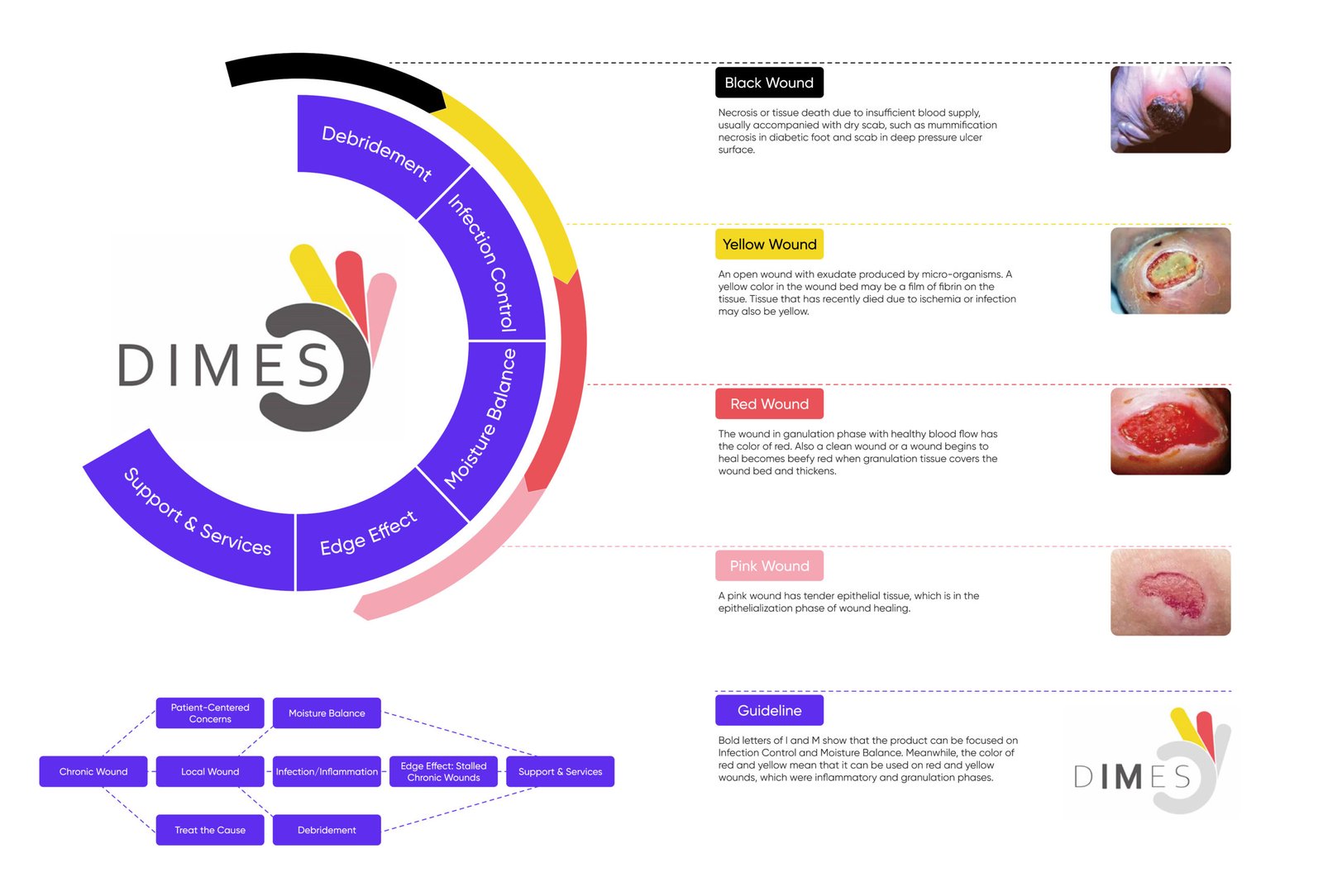
Debridement
Debridement is the removal of viable (living) and non-viable wound components, including necrotic tissue, slough, microorganisms, biofilm, extracellular polymeric substance (EPS) and foreign materials.
Infection Control
The presence of infection, localized or systemic, impedes wound healing. Infection occurs when microbial burden exceeds the host’s defense mechanisms, progressing along a continuum from contamination and colonization to local infection and, if untreated, systemic involvement. Microorganisms interact with chronic wounds at varying levels, influencing the wound environment and the overall trajectory of healing.
Moisture Balance
Maintaining an optimally moist wound bed is a fundamental principle of wound healing, supporting cellular activity and tissue repair. A dry wound bed may impede healing and may require moisture-donating interventions. Conversely, excessive moisture, evidenced by maceration of the wound edges or periwound skin, can compromise tissue integrity and delay healing. In these cases, absorptive dressings should be selected to effectively manage exudate and maintain an optimal healing environment.
Edge Effect
Wound edge assessment is a key indicator of healing progress. Healthy wound edges remain open and demonstrate epithelial migration and contraction. Non-advancing or rolled edges (epibole), often associated with tunneling or undermining, can delay closure. Proper management of dead space with appropriate wound fillers or packing materials supports granulation tissue formation, prevents premature surface closure, and promotes optimal wound healing.
Support & Services
Comprehensive wound care support encompasses routine wound care supplies, including skin protectants, silicone tape, and silicone contact layers, as well as compression therapy systems, advanced wound dressings, and therapeutic modalities. Care is delivered through a holistic, patient-centered approach that integrates clinical expertise, ongoing patient and provider education, and coordinated support throughout the healing journey.
Making Advanced Wound Care Easy

We work with a passion of taking challenges and creating new ones in advertising sector.
Newsletter
Signup for our latest news & articles. We won’t give you spam mails.
© All Copyrights Reserved 2025